

WARNING: This blog post has lots of facts and figures.
McDowell County is on the southernmost tip of West Virginia, covering an area of 534.899 square miles, all but 1,441 of them mountains. The rest is water. It has a population of 16,900 (2025 est.), down from 19,111 in the 2020 census. It has a population density of about 32 people per square mile (land), compared with 78 for the rest of West Virginia. There are 10 cities and towns-
Welch (County Seat) population 3,413; Gary 687; War 546; Kimball 248; Iaeger 243; Northfork 205; Davy 185; Bradshaw 182; Keystone 153; Anawalt 148.
Additionally, there are unincorporated historic coal camps still in existence (though the coal mining has pretty much disappeared). Among them are
- Crumpler: ~351 residents
- Bartley: ~327 residents
- Maybeury: ~88 residents
- Cucumber: ~87 residents
- Vivian: ~79 residents
The average household income is $31,559, and the per capita income is $17,253. The poverty rate is above 30%.
Seventy-five percent of the adults have a high school diploma as their highest degree, while 6 percent have a bachelor’s degree. There are two high schools in the county (Mountain View in Welch and River View in Bradshaw), 3 middle schools, and 6 elementary schools. There are no higher education schools, though there is an adult learning center in Welch.
Major employers in McDowell County are the public schools and the few healthcare facilities. Retail employment is mostly at Walmart, Family Dollar, Dollar Stores, and a few fast-food restaurants. The coal industry, formerly the area’s economic base, still has a few contract jobs available. The unemployment rate is 10.2%, compared with 4.5% for the rest of the state.
Many think that the poverty and terrible conditions are relatively new, that the demise of the coal industry has occurred within the last couple of decades. That is not true. Coal mining in McDowell County peaked in 1942, producing about 29 million tons of coal per year. The population was almost 100,000 at that time. Mechanization and the decline in coal demand began, and by 1959, John Kennedy visited Welch to see the effects of poverty in America. It was while he was there that he saw the need for the Food Stamp program, and when he became president, and the program became law, the first Food Stamps were given two years later. On May 29, 1961, Alderson Muncy, an unemployed coal miner in Welch with a wife and 15 children, purchased $95 worth of food stamps for his family’s first trip to a local grocery store.

Kennedy in Welch in 1959.
While there was more money in McDowell County during the coal-mining days, most of it went to the mine owners and supervisors. The majority of the workforce, the miners, lived in just above-poverty conditions. When the mines began to close, those with the money left, while the poorest were basically abandoned.
The county’s infrastructure was never improved. Today, it is not unusual for a person’s tap water to be black with coal dust. Septic systems empty waste into the mountain streams. Things we basically take for granted- clean water, septic systems, trash removal- are few and far between.
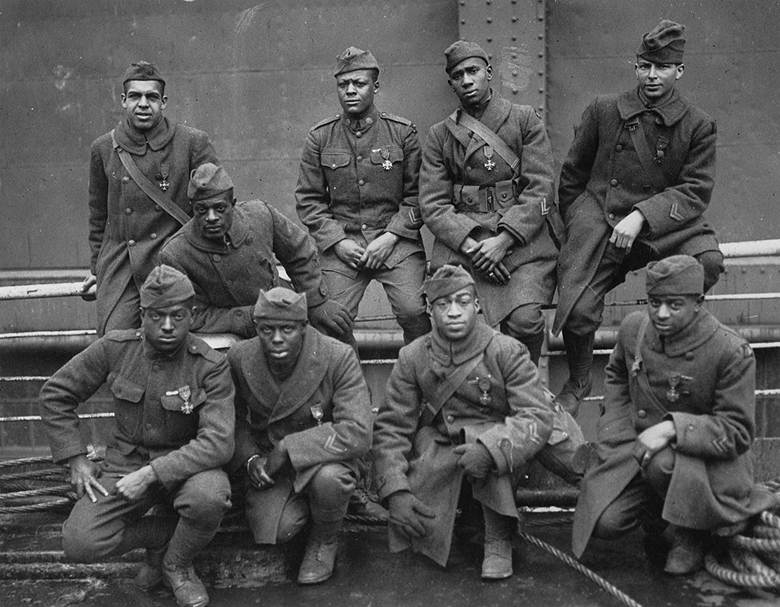
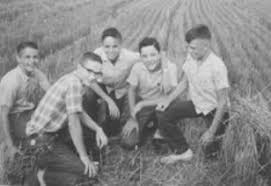
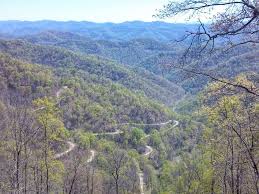
Despite it all, there are some bright spots in their history. The first (and so far only) memorial to African-American soldiers from World War 1 is Kimball. It was completed in 1928 when Black soldiers were denied entry into the local American Legion Post. Homer Hickman, a retired NASA engineer and Vietnam War veteran, attended Big Creek High School. He and some fellow students were known as the “Rocket Boys,” and their stories, along with those of Frieda Riley, their teacher, were told in the movie October Sky. Recently, there has been movement making the Hatfield-McCoy Trail, which runs through the county, a popular spot for hikers, mountain bikers, and ATV riders. And, of course, the mountains that are not scarred from the coal mining are beautiful.


The youth pastor from Northbrook Church, in his Bible studies and devotions for the team getting ready to go, has said that we cannot save them. But, he said, we can bring them hope. I will examine that in my next reflection.
Below are some links to videos that show some of the conditions of McDowell County.
From coal mines to hard times: A West Virginia county braces for new public assistance cuts

