

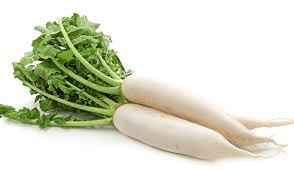
In the book Good Soil: The Education of an Accidental Farmer, Jeff Chu writes about growing daikon, a type of radish more popular in Chinese cooking than in American. He planted some and worried when the leaves (what we Southerners call greens) were growing abnormally fast. They were taking over the garden space. He knew that if the leaves and stems were growing above ground, not much was growing below, which is where the tuber was. The above-ground part of the plant was using energy needed for the below-ground part. Later, when he pulled up the plants for a harvest, he found that he was correct. Instead of a healthy radish, it was just strings.
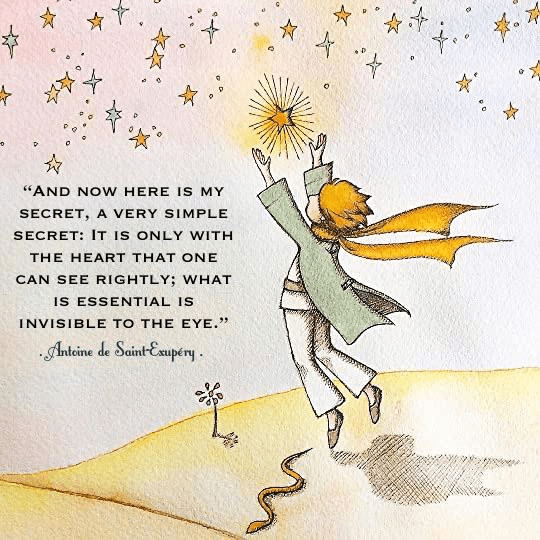
I have been thinking about that this morning. How much energy do I put into the things that I can see, that others can see? And how much do I ignore what is beneath? In his excellent book The Little Prince, Antoine de Saint-Exupery says, “It is only with the heart that one can see rightly; what is essential is invisible to the eye.”
It is in doing away with some of the externals that we provide time and energy for the place of real growth. However, we do not need to get rid of all things. The leaves are essential to the plant. Jesus did not talk about tubers, at least, not that I know of. But he did talk about grapes and grapevines. He said you must cut away the dead branches and prune the ones that produce, so that the ones left can be more fruitful. It is the same principle, except that you can see the grapes. You do not see what is underground.
This is somewhat of a problem. We do not know if that root, that tuber, is growing underground until harvest time, which takes some trust.
What must I do to help that part of my life grow? I need silence, meditation, time for reading and thinking, and even rest. And what do I need to trim, remove, or prune from my life? I am still working on that because I love those greens. And greens, while often tasty and nutritious if cooked well, will not sustain my life.
Author, banker, vicar, and researcher George Lings writes about seven “sacred spaces” that are avenues to a deeper spiritual life. They are cell, chapel, chapter, cloister, garden, refectory, and scriptorium. Of all of them, cell (being alone with God) is the hardest for most of us. Our world today is not designed for silence, introspection, or deeper growth in unseen ways.
But it is the most essential part of life. If I spend that time in my cell (my study at home), turning off the phone, closing the door, lighting a candle, and listening to the inner voice of the Spirit, I come out more at peace.
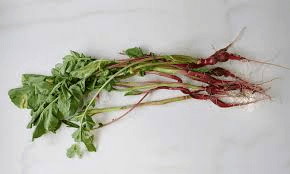
If I do not do this regularly, I will find that my roots are no longer roots. They are just strings in the dirt.
 Michael Henderson